Adopt a Family for the Holidays: How to Run a Gift Drive That Actually Works
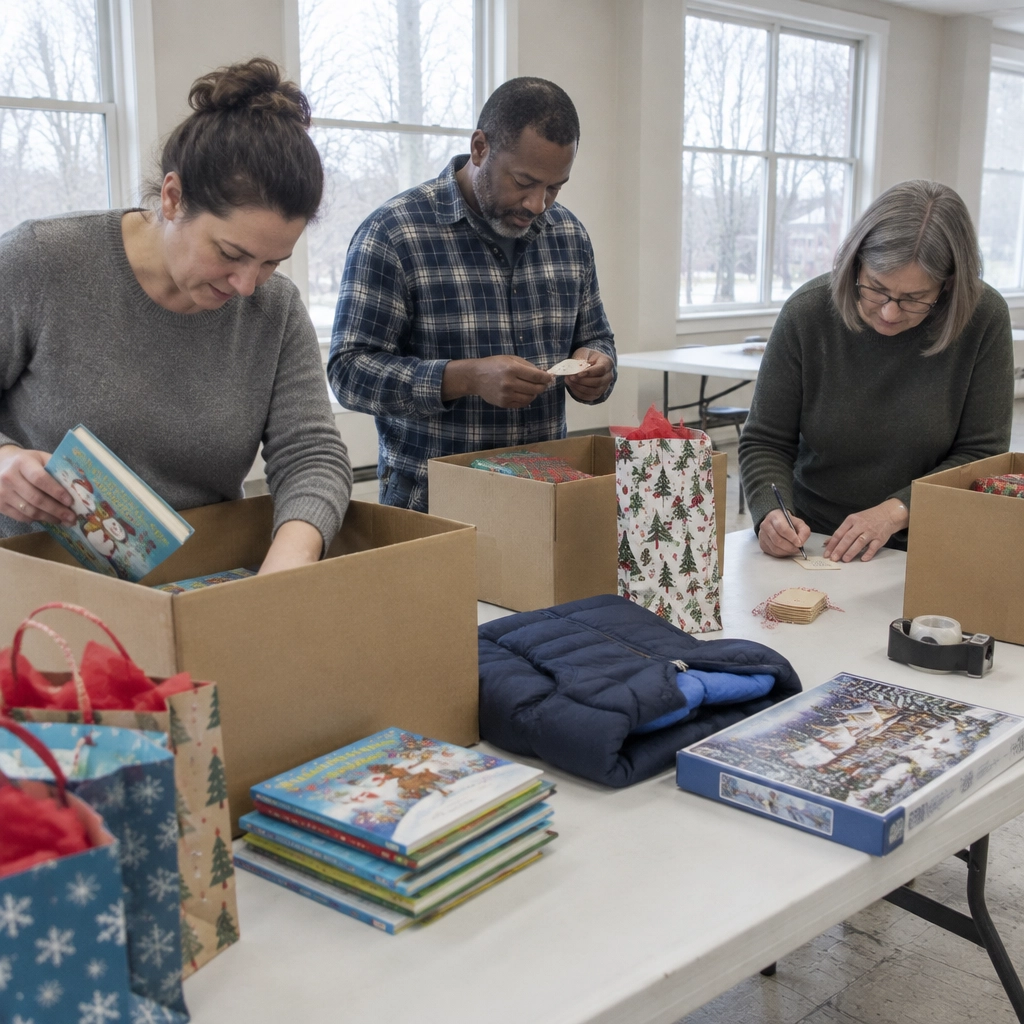
An Adopt-a-Family gift drive can bring real help and holiday joy to a household. But vague requests, duplicate gifts, missing donations, and last-minute sorting can quickly overwhelm the volunteers coordinating it.
A little structure makes the work easier for everyone. Decide how families will be matched, share only the details donors need, list specific gifts, and set clear deadlines. Then people can help without guesswork, and your team can spend less time chasing gifts.
Choose your giving model
Start by deciding how donors will take part. There are three common options:
- One sponsor for each family: A donor or group takes responsibility for the family’s full list. This can make tracking straightforward, but it may be a large commitment for one sponsor. Have a backup plan if they withdraw.
- One donor per gift: Several people each claim an item for a family. This spreads the cost, but a coordinator needs to monitor every gift and follow up on gaps.
- A hybrid: A workplace team, church group, or circle of friends adopts one family together. Members divide up the gifts, and one person keeps track of the whole list.
Think about privacy and follow-through, too. Families should not need to meet donors directly or share personal contact details. A partner agency or school social worker can help coordinate privately. If a sponsor drops out, know who will contact them and how you’ll cover their commitment.
Share enough to choose a good gift, and protect the family
Donors need practical details: children’s ages, clothing or shoe sizes when relevant, interests, and a few requested gifts. They do not need a family’s full name, home address, case number, or identifying story.
Ask a partner agency or school social worker to collect family information and share only approved details with the gift-drive coordinator. Store the full information securely, and limit access to the few people who need it. Keep identifying details out of public emails and group chats.
A family number can help volunteers track gifts without exposing names. Be clear with the team: recipient information is private. Don’t copy it into extra documents, forward it casually, or keep it longer than needed. TimeToSignUp’s privacy information explains the company’s approach to personal information.
List named gifts, not vague requests
“Bring a gift for a child” sounds simple, until several people buy the same thing and nobody brings the winter coat.
List specific items under each family member, with a limit of one donor per gift slot. Include sizes for clothing and shoes. Where possible, pair something fun with something practical, such as a board game and warm socks, or a craft kit and pajamas.
For example, this sample Adopt-a-Family gift sign-up sheet organizes suggestions by family member. It lists an age-appropriate book, building set, and board game for a 12-year-old boy; an age-appropriate book, craft kit, and board game for a 9-year-old girl; a book and scented candle for Mom; and an NFL team cap and football-themed blanket for Dad. The parent’s notes (Mom likes books and candles, and Dad likes NFL football) give donors useful direction without sharing unnecessary personal details.
The instructions are also clear: choose one gift for one family member, select age-appropriate options for the children, and wrap the gifts. That’s a much better starting point than “bring something nice” and hoping everyone guesses right.
Make wish lists realistic and flexible
Ask families what they need and what they would enjoy. A few specific options can guide donors without making anyone feel they must buy a costly item.
Let donors shop sales and choose a comparable option when a wish is out of stock. You can add a substitute gift slot or a gift-card option for a particular store. State any limits in advance, and never promise a specific gift to a family until it is confirmed.

Set deadlines, drop-off details, and volunteer shifts
Choose a firm gift deadline that leaves time to sort, check, and deliver everything before the holiday. Tell donors:
- Whether gifts should be wrapped or left unwrapped.
- How to label each gift so it reaches the right family member.
- Where and when to drop gifts off.
- Who to contact if a gift can’t be delivered as planned.
Put each family’s gifts together in a labeled box or gift bag. If gifts are wrapped individually, make sure each one still has the family code and recipient label attached. Decide whether the family should receive a single bag or box with all its gifts.
A sign up sheet with times can make drop-offs and packing shifts easier to coordinate. Offer clear windows for gift drop-off, plus volunteer slots for sorting and packing. This gives people a way to help even if they can’t shop. It’s a different job from a party sign up sheet: here, the key is tracking each gift and getting it to the correct family.

Share the work beyond shopping
Shopping is only one part of the drive. Add volunteer roles for:
- Gap-filling shopper: Buys missing items or uses approved funds for unclaimed slots.
- Sorters: Check gifts against the list and group them by family.
- Wrappers: Wrap gifts if needed and label them clearly.
- Drivers: Deliver gifts to the agreed partner or drop-off location.
- Coordinator: Tracks every family and confirms delivery.
Give one person ownership of the follow-up list. When responsibility is shared by everyone, it can be easy for a missing gift to become nobody’s job.
Plan for gaps and no-shows
Don’t wait until the day before the deadline to discover that several gift slots are empty. Check the list one week before the deadline and contact donors with unfilled commitments.
Build a small reserve of gift cards or donated funds, if your program allows them. That gives the shopper a way to fill important gaps when someone cancels or an item is unavailable. Keep a record of how reserve funds are used, and follow the partner agency’s rules.

Keep the focus on dignity
This is neighbors helping neighbors, not a competition or a photo opportunity. Don’t photograph recipients, publish names or personal stories, or compare which donor gave the most. Don’t promise a gift you cannot guarantee.
Ask the partner agency how gifts should be delivered and whether families prefer wrapped or unwrapped items. Keep instructions respectful and practical. The goal is for families to receive useful gifts with their privacy and dignity intact.
Use a simple planning timeline
- 6–8 weeks out: Choose a partner agency, confirm the participating families, and name a coordinator.
- 4 weeks out: Build the gift list, set instructions and deadlines, and invite donors and volunteers.
- 2 weeks out: Check for unclaimed gifts and send a friendly reminder.
- 1 week out: Confirm the delivery plan, close remaining gaps, and schedule sorting or packing shifts.
- Delivery day: Check labels, keep each family’s gifts together, and confirm delivery with the partner.
- Afterward: Thank donors and volunteers with totals, such as families supported or gifts delivered, not recipient names.
Make the sign-up part simple
A free online sign up sheet can help your group see which gifts and volunteer roles are covered. With TimeToSignUp, signing up for items is free and does not require an account. You can create one basic sheet free at a time. Nonprofit and personal accounts are $19 per year; commercial accounts are $25 per year.
There are absolutely no ads, and TimeToSignUp does not sell personal information. See the features or learn more about TimeToSignUp.
A thoughtful gift drive doesn’t need complicated logistics. Clear gift choices, careful privacy, and one person keeping an eye on the details can help your volunteers give with confidence, and help families enjoy the season.